
Jaakko Eteläaho: From Student Networks to a Career-Long Community
Valtteri Kuusisto
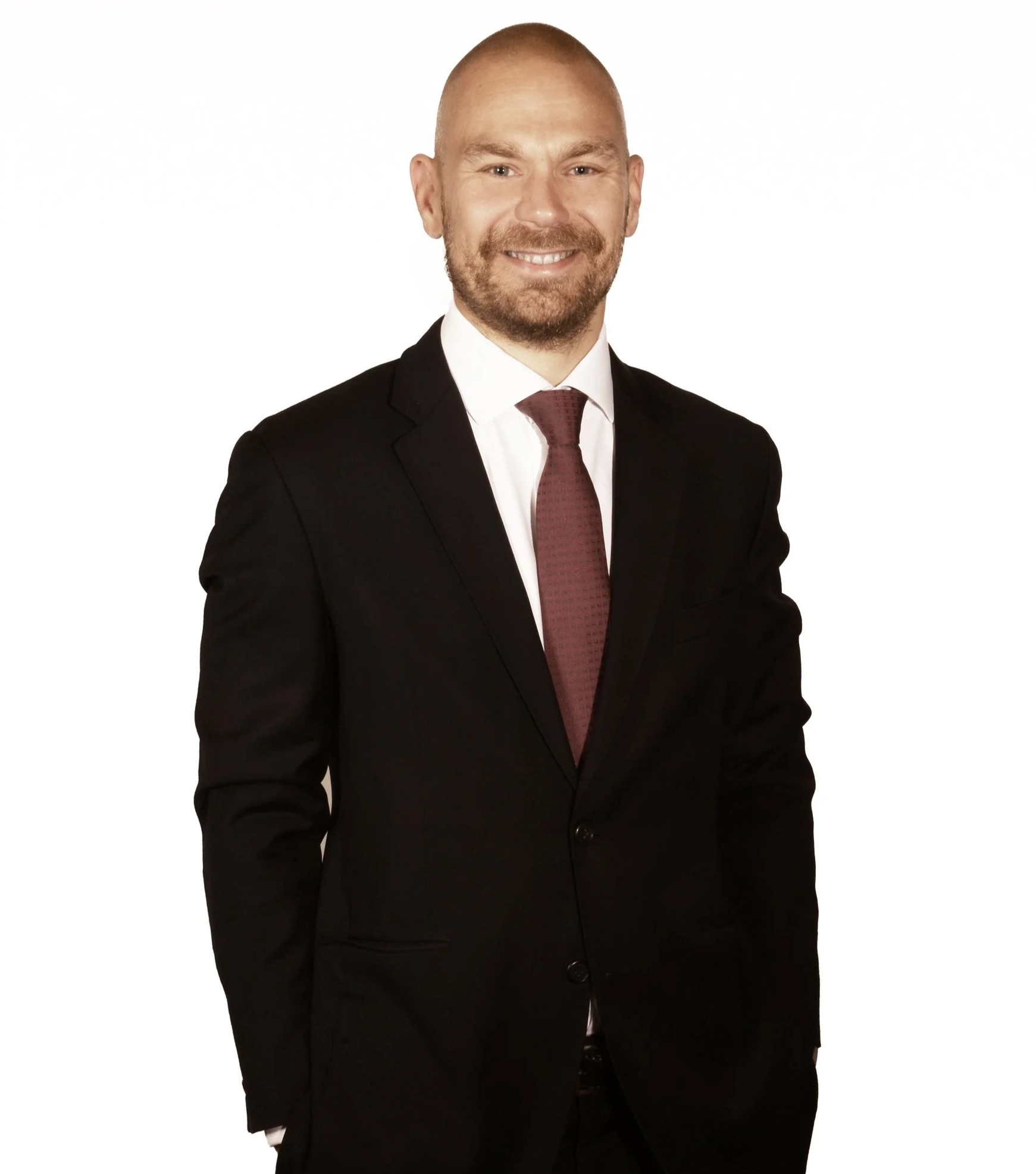
From student networks to a career-long community, Jaakko Eteläaho’s path from Aalto University to Danske Bank’s Corporate Finance team shows how the relationships formed in student life can become a lasting professional asset. For Eteläaho, the finance studies, KY-Finance, and later Aalto alumni work were never separate chapters, but parts of the same community that has followed him throughout his career.
The spark
Eteläaho says his interest in finance was set off in high school, during the internet bubble years, when stock prices moved so quickly that the whole market felt almost unreal. “It was intriguing to trade stocks at that very strange time,” he reflects, recalling how it suddenly became obvious that there was something in markets that he wanted to understand better. “Back then, it was just a natural thing to apply to business school,” he says, adding that if you were interested in company valuation and business, finance was the obvious direction.
At Aalto, the studies gave him structure, but the people around him mattered just as much. He remembers the finance courses as demanding but fair: “The professors were really good, and they were demanding, but fair,” he says. That combination left a mark. “It was a really good environment,” he says. “There was a certain level of seriousness there. It was not just a place where you could drift around and write whatever you felt like.”
Building KY-Finance
Student life quickly became more than lectures and exams. When Eteläaho got involved in KY-Finance (now Aalto Finance), the organization had effectively ground to a halt. “We realized that what we had was basically nothing,” he says. In his year, only a small group was willing to step in, and the situation was messy enough that they had to rebuild the whole thing from the ground up.
“It was a bit of a strange turn,” he says, describing how he had heard in the army from an older student that KY-Finance had money, events, and a strong spirit. “So we thought, okay, that sounds cool, we should probably get involved.” What followed was a practical, hands-on lesson in leadership. “We had an attitude of doing things and seeing what happens,” he says.
That experience stayed with him far beyond university. “It gave a lot,” he says, especially because it taught him how to build momentum around something that did not yet really exist. “When you try to revive something, it takes a certain mass before it starts moving again,” he notes. In his case, that early organizing work became one of the first examples of how networks can be created from shared effort, not just from formal introductions.
Learning the craft
After university, Eteläaho joined Alfred Berg’s Corporate Finance team. The move was partly practical, partly opportunistic, and partly a matter of timing. “I was looking for work, of course, like everyone else,” he says, remembering a market that was still digesting the burst of the internet bubble. Alfred Berg was not a widely known name outside the industry, but in its own niche it was “the absolute number one in the Nordics.”
The team was small, and junior people were few. “There were maybe eight people in the team, and not many juniors.” For Eteläaho, that meant fast learning and real responsibility. “I was basically the only analyst for a while,” he recalls. He says the environment forced him to work hard, absorb everything, and learn directly from experienced bankers who were generous with their time.
“That was an excellent place to learn,” he says. One lesson stood out in particular: “People love talking about their work because, in their own view, they are good at it,” he says with a smile. “So if you ask them anything, they will happily explain.” For a young banker, that became an unexpected but powerful education in both technical work and how to listen.
Nordea years
In 2009, Eteläaho moved to Nordea Corporate Finance, where he would stay for a decade. The timing mattered. “The RBS offer had come, and after that it was clear that it was time to look at other options,” he says. Nordea appealed because there was a real ambition to build the investment banking business aggressively.
At first, the setup still felt a bit bureaucratic. “In my opinion, the whole bank felt a bit like a civil service,” he says. But that changed over time. Under strong leadership and with the arrival of new senior people, the culture began shifting toward a more dynamic, client-driven business. “Culturally, it moved forward a lot,” he says. “The old relics were cleared out.”
The change was visible in the people Nordea hired as well. “We got really good hires,” he says, pointing to experienced bankers from large international firms who brought different ideas and a more sophisticated way of running the business. “It became much more of a real investment banking operation,” he adds. For Eteläaho, that decade was also the period in which he gradually took on more responsibility. “That’s how the industry works,” he says. “You usually get the promotion only after you already feel ready for it.”
The Danske move
By the time he moved to Danske Bank, Eteläaho was ready for a new chapter. “Nordea’s appetite to grow in investment banking had kind of run out,” he says. Danske, by contrast, looked like a place where the team was already strong and the energy was high. “I always enjoy playing with the best,” he says. “If you were playing football, it would be more fun to play at Barcelona or Real Madrid than at some smaller club.” he says with a laugh.
The fit was immediate. “We talked for quite a long time with Pekka Hiltunen, the team leader, and realized that we had a very similar view of how this setup should be run and what the goal should be,” he says. Just as important, the team brought different strengths to the table. “That created a strong win-win environment,” he says.
One of the biggest differences, in his view, is the way Danske operates internally in Finland. “If you call a colleague and say, ‘Could you help with this?’ it happens immediately,” he says. The bank also feels less siloed. “We openly talk,” he says, describing a culture in which people are expected to help each other succeed. “We are just tools for the bank to help customers achieve their goals,” he says. “In fact, we are tools for enabling the customer to do what they want to do.”
Managing Director
The move to Managing Director did not feel dramatic to him. “It was a very logical step,” he says. Investment banking, he explains, is a ladder, but also a role where the expectations keep rising in a very linear way. The transition was therefore less of a leap than the natural result of years of experience and growing responsibility.
“My own value system is based on hard work and perseverance”
Still, the role comes with a perspective outsiders may not always see. One of those hidden dimensions is the way leadership itself has changed. Eteläaho himself values hard work and perseverance, but has noticed that younger generations think more broadly about what matters in life. “People want much more from life than just work,” he says. “And that is actually a wise idea.”
That means leadership is more collaborative than it used to be. “You need to get people on board and help them come up with the ideas themselves,” he says. The old command-and-control style no longer fits as well. “That’s not really how it works anymore,” he says. “You need to show that the organization is genuinely interested in the person and wants to support their goals.”
Alumni work
Eteläaho’s alumni involvement grew out of the same instinct to build something lasting. When he helped in founding Aalto Finance Alumni, the motivation was straightforward. “The lack of alumni activity was not necessarily a problem, but it was obvious that it would add a lot of value for everyone if more alumni were brought in,” he says. The next step was to make it institutional.
Funding the early effort was surprisingly easy. “We already had pretty good contacts by then,” he says. “It was basically a phone call per donated thousand.” The point was not the money itself, but the recognition from the alumni community that alumni activity had been underdeveloped. “It was practically non-existent,” he says of the time.
He stayed involved because the work was rewarding in a very human way. “It was nice to meet the old alumni,” he says. “It was fun to hear what people had been doing during the ten-plus years since we were all at school.” Just as importantly, he felt that finance students had a role to play in the Aalto University's community. “There is often a lot of energy among finance people,” he says. “And in larger institutions, the problem is often that things are done the way they have always been done.”
What finance gave him
After more than 20 years in corporate finance, Eteläaho says the appeal of the industry has not gone away. “It’s a lot of fun,” he says. Also, meeting finance alumni feels rewarding. ´“When you see what people do after school, and then later you meet them again, it is really nice.” Over time, he says, the effect of those relationships only grows stronger. What started as student organizing became professional capital, and later a community to give back to.
The connection to Aalto has remained constant throughout. “It’s good that finance people are part of the school’s conversation,” he says, not because they are somehow uniquely important, but because they often bring “a pretty strong energy” into institutions that can otherwise become too comfortable. For Eteläaho, that is the larger story: a student network that turned into a career-long community.
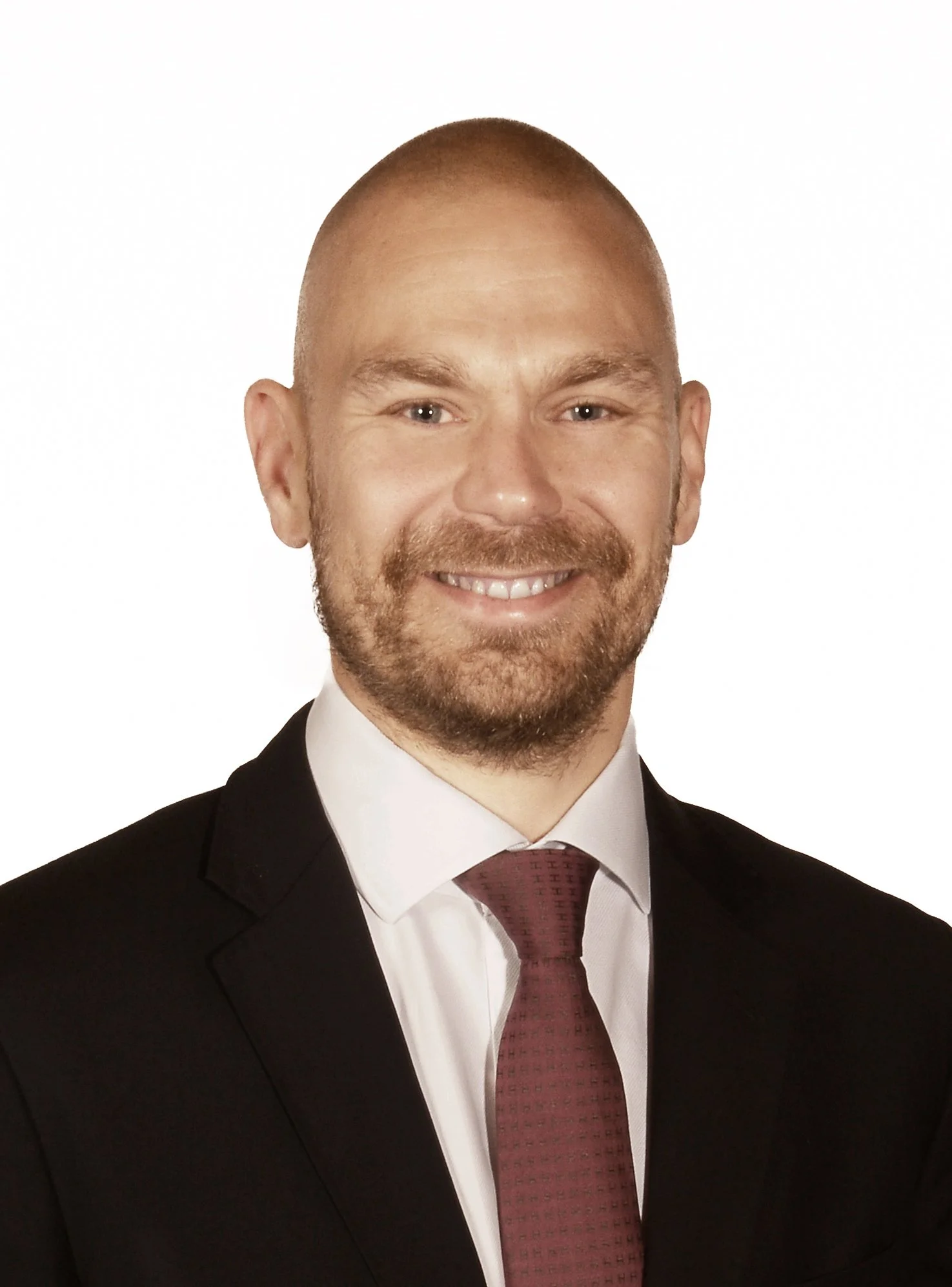
Jaakko Eteläaho
-Current position: Managing Director, Danske Bank Corporate Finance
-Past Companies: Nordea, Alfred Berg
-Education: M.Sc in Finance
-Hobbies: Running, football, reading
-Family: Amazing wife and three energetic children
Based in: Helsinki
Valtteri Kuusisto is the Editor-in-Chief of AFA Quarterly.